You can spend a fortune on self-defense equipment before your first class. You do not need to.
Here is what is genuinely useful in your first three months, in the order we recommend buying it.
Key takeaways
- Class structure: 55 minutes of technical coaching, mobility warm-up, skill repetition, and conditioning with a 5-minute transition.
- Skill levels: Strictly separate Beginner and Advanced streams — newcomers train in structured, non-intimidating groups.
- Location: 382 Yonge St, Downtown Toronto (2-minute walk from College Subway Station).
- Free trial: Complimentary 1-on-1 private intro session with an experienced coach — all loaner gear provided.
Buy in this order
Start with the things that protect you and your training partners. Everything else can wait until you know you are staying.
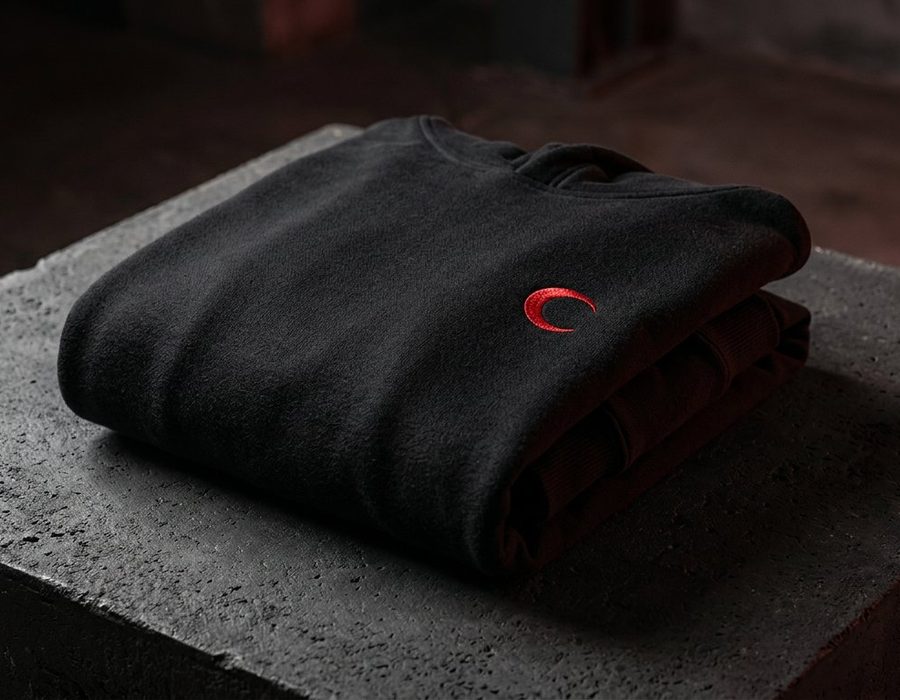
- 1. Comfortable training clothes.
- 2. Indoor shoes are optional.
- 3. No equipment needed to start.
What to skip for now
Fancy brand-name gloves, custom shorts and a bag full of accessories will not make you better. A clean pair of wraps and a coach's correction will.
Fall training notes
Fall is the busiest season for new members — schools restart, work routines settle and people finally book the class they have been thinking about all summer.
- Book your classes for the week on Sunday night, not on the day.
- Warm up for two extra minutes if you have been sitting at a desk all day.
- Keep one rest day after your hardest session — recovery is part of the programme.
Common mistakes we see every week
- Focusing only on techniques. Most incidents are decided before anyone grabs you. Awareness and distance do more work than any throw.
- Practising moves you cannot remember. Simple and repeatable beats clever and forgotten.
- Sparring with a partner who does not resist realistically. Slow, honest resistance is what makes a drill useful.
- Ignoring verbal de-escalation. Talking your way out is a win, not a failure.
A drill you can try between classes
Distance and exit drill. You do not need a partner or a bag for most of this, and it takes about fifteen minutes:
- Set up two markers four metres apart.
- Walk toward your partner; they raise a hand and say stop.
- You stop immediately and step back to a safe distance.
- Swap roles. Repeat ten times, then add a verbal de-escalation line each round.
Training at ARC MMA in Toronto
We run Self-Defense classes at 382 Yonge St in downtown Toronto, two minutes from College Station. Classes are capped at 20 people, coached from start to finish, and open to complete beginners. If you want to see whether it fits, book a free 1-on-1 trial — you will get a coach, a pair of loaner gloves and no sales pitch.
You can see the full timetable on the classes and pricing page, meet the coaches on the trainers page, check upcoming seminars on the events page, and browse official gear in the ARC shop.
For official sport regulations and competitive standards, consult Public Safety Canada.
Frequently asked questions
Can I borrow gear for my first class?
Yes. Ask at the desk and we will fit you with loaner gloves and wraps.
Do I need a mouthguard?
Not for drilling. Yes, once sparring starts.
How much should a beginner spend?
Around $150–$250 covers the essentials for most people, depending on the program.
Written by the coaching team at ARC MMA. Questions about this guide? Send us a message or call (416) 450-8020.
Related reading
- Is Self-Defense Safe? Questions Worth Asking Before You Start — October 2026 — Is self-defense safe for a complete beginner? A straight answer from ARC MMA coaches in Toronto, plus the ques.
- Self-Defense Mistakes Beginners Make (and How to Fix Them) — October 2026 — The mistakes almost every self-defense beginner makes in the first few months, and the simple fixes our coache.
- The First Self-Defense Techniques You'll Learn (and Why) — October 2026 — The first self-defense techniques our Toronto coaches teach beginners, in the order you learn them, and why th.
Where to go next
Have a look at classes and pricing or book a free trial if you want to try a session. For a wider view of the discipline, Public Safety Canada is worth following: Public Safety Canada.